America's capacity to maintain a competitive edge on the global stage is fundamentally tied to ensuring reliable access to critical minerals. This strategic imperative must guide federal policy regarding the essential resources that underpin our technological infrastructure, economic prosperity, and national defense capabilities. It is not an overstatement to suggest that without access to these crucial minerals, which form the backbone of modern technology, the economy could face significant obstacles in job creation and sustaining growth, while the military might struggle to equip itself with necessary defense systems.
Alaska possesses substantial reserves of 57 out of the 60 most vital critical minerals. These include rare earth elements, which are indispensable for manufacturing hard drives, laptops, smartphones, and electric motors. The state also holds significant deposits of graphite, a key component in batteries used for electric vehicles and computers. Graphite is not only classified as a critical mineral but is also deemed essential for national security under the Defense Production Act.
Alaska's Untapped Mineral Wealth and Strategic Projects
Among its numerous mineral deposits, Alaska boasts a rich reserve of graphite within the Graphite Creek Project. Recent assessments indicate that this single reserve could potentially fulfill the entire nation's graphite requirements for a century. However, in recent years, instead of fostering the development of these domestic natural resources, a previous administration allocated $150 million in taxpayer funds to a loan for a graphite facility in Mozambique, an endeavor that ultimately ceased operations.
Some perspectives suggest that halting American production of critical minerals will somehow resolve global environmental concerns. In reality, such policies have often merely relocated production to other countries with less stringent environmental and worker safety regulations. This approach has also increased the nation's economic reliance on regions with unstable governments—such as Mozambique, where the graphite mine faced disruptions linked to civil unrest and ISIS-affiliated groups—or on nations whose interests diverge from our own, like China.
Countering Geopolitical Leverage and Ensuring Supply
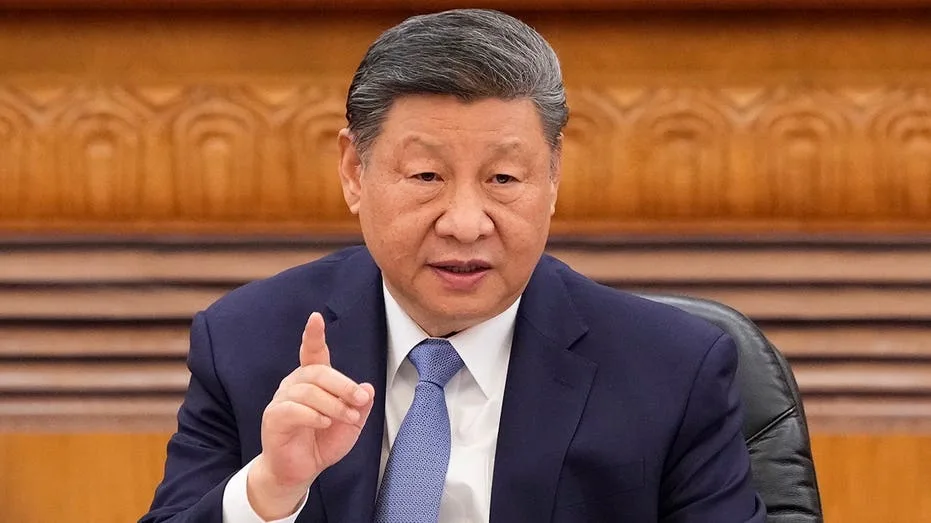
Failing to develop projects like Graphite Creek is seen by some as conceding to China in the global economic competition. Beijing's government has previously leveraged its control over critical minerals for economic pressure, restricting access to these resources in response to American trade policies. The United States should not yield to such tactics and can avoid this by developing its own domestic resources.
Support has been expressed for Alaska's resource development, recognizing the national imperative for the United States to achieve dominance in critical minerals, mirroring its position in energy. Upon taking office, a former president issued an executive order aimed at unleashing Alaska's extensive resource potential, stating that Alaska