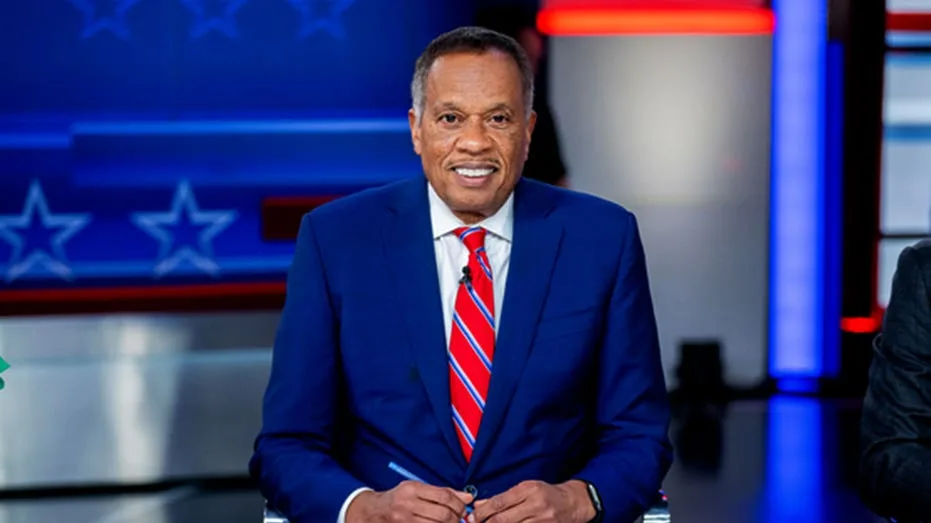
In 1996, three decades ago, the decision to leave an established cable television network for a nascent startup seemed audacious, even "crazy" to my wife. With three young children at home, she questioned my willingness to depart from a prominent position at CNN to join a new venture spearheaded by Rupert Murdoch, a notable Australian media figure. My conviction, however, was rooted in the belief that this new network would be dynamic, inventive, and offer a unique opportunity to be part of the foundational shift in news dissemination. Thus, I embarked on a journey with this emerging player in cable news.
A Distinctive Approach to News Coverage
Over the past three decades, the network fulfilled its promise by engaging an audience that traditionally did not consume news. It has frequently achieved the top viewership spot among all cable channels. From its inception, the broadcast featured vibrant graphics and rapid-fire storytelling. Narratives often presented clear distinctions between protagonists and antagonists, with crime and conflict stories consistently taking precedence, regardless of their location. On-air personalities adopted a conversational style, engaging viewers as peers rather than lecturing as experts, often reflecting a shared bewilderment at global events.
A particularly innovative aspect of the network was its commitment to showcasing right-of-center perspectives, providing a platform for Republican political figures who often felt marginalized by other media outlets. Roger Ailes, the network's inaugural leader and a prominent Republican consultant, possessed a deep understanding of politics. His chief programming assistant, Chet Collier, a Democrat, had previously mentored Ailes during their time on "The Mike Douglas Show," a popular daytime talk program.
They successfully recruited me, fully aware of my professional background. My career included stints at The Washington Post and CNN, and through my bestselling books, I had a reputation for critiquing politicians across the ideological spectrum. As an African American journalist, I was also known for challenging Black political figures. The network's founders sought my participation to engage in vigorous debates with their conservative on-air commentators, a role I readily embraced.
Defining Political Moments and On-Air Dynamics
From its inception, the network produced compelling television. Ratings steadily climbed as viewers became drawn to intense debates, often characterized by animated gestures, wry expressions, laughter, and eye-rolling among the personalities. The platform was strategically positioned when significant revelations emerged about a U.S. president's sexual relationship with a White House intern. The subsequent presidential impeachment proceedings featured nightly reports on President Clinton's confrontation with tenacious prosecutor Kenneth Starr, alongside provocative details concerning a blue dress and cigars, further boosting viewership.
A vivid recollection from those early years involves being on set at the Washington D.C. bureau with Brit Hume, then the managing editor. He adeptly anchored hours of hearings and press conferences. I was alongside him as we navigated nascent equipment, as technicians familiarized themselves with controls, and producers relayed breaking news through our earpieces. For Hume and an esteemed panel of D.C. commentators, including Fred Barnes, Mort Kondracke—famously known as the "Beltway Boys"—Mara Liasson, Bill Kristol, and Charles Krauthammer, each broadcast aimed to directly address the fervent, populist sentiments in politics. The ethos was one of sharp exchanges and uncompromising questioning of political guests, always striving to deliver the most engaging program for the home audience. Krauthammer, for instance, would often elicit laughter and applause on the lecture circuit by quipping that he was grateful to be invited to events where I could not interrupt him.
By 2000, the network was ideally positioned to provide round-the-clock news and analysis of the contentious presidential election, the Florida recount, and the Supreme Court's 5-4 decision that ultimately awarded the White House to a Republican underdog who had not won the popular vote. The channel's ratings continued to rise as more viewers, regardless of their political leanings, came to trust its compelling coverage of pivotal election narratives, particularly the 2008 contest featuring a relatively unknown Black senator vying against former First Lady Hillary Clinton for the Democratic nomination.
I recall a frigid night in Des Moines when the "All-Star" panel recognized that Barack Obama, an African American, was poised to win the Iowa caucuses. Overcome with emotion, I openly wept on air, endeavoring to convey to the audience the profound historical significance of that moment for the nation, especially for Black American history.
Another memorable incident occurred in 2012, when I faced boos from an auditorium packed with South Carolina Republican voters. This reaction stemmed from a question I posed during a network-sponsored GOP primary debate, challenging Newt Gingrich on his use of racially charged rhetoric regarding President Obama and poverty. Years later, I would lightheartedly suggest to the former Speaker that he owed his surprising victory in the Palmetto State primary, in part, to that viral exchange, which became one of the earliest widely shared moments of a presidential campaign in the nascent internet era.
A Distinct Voice and Platform for Debate
During President Obama's second term, my involvement deepened with the New York studios, where I became a co-host on the program "The Five." By 2015, this commitment led to nearly a decade of residing in New York for the show. Roger Ailes characterized my role as a center-left counterpoint to the conservative panelists. The publication Politico articulated my position:
"Fox's Lone-Wolf Liberal Had a Tough Job. But It Made for Better TV."The outlet further stated:
"Juan Williams was particularly good at what might be the hardest, least appreciated, and most important job in cable news.""The Five" ascended to become the top-rated program on the leading cable channel, championing a powerful message about the essence of debate in America. It underscored that despite political affiliations, whether conservative or liberal, and irrespective of racial or religious divides, "We the People"—Americans from all walks of life—could discover shared ground in upholding honest discourse, even amidst passionate arguments and occasional grandstanding.
Collegiality, Audience, and Lasting Impressions
A friend recently remarked during a discussion about the current media landscape, noting the scarcity of conservative platforms welcoming liberal voices and vice versa, saying, "You cut a path through the jungle." I shared with him that, since the channel attained its status as the leading cable news outlet, it's frequently observed that more Democrats tune into its broadcasts than any other cable news channel. My career over these three decades has also included authoring more than a dozen books. During book tours, staunch conservatives often approach me, expressing disagreement with my views yet appreciating the opportunity to hear a different perspective from someone they trust and, at times, even begrudgingly admire.
Beyond the on-air debates, my interactions with colleagues such as Brit Hume, Shannon Bream, Bret Baier, Bill O'Reilly, Sean Hannity, and numerous others often extended into deeper conversations, shared meals, attending sporting events, or enjoying a casual drink. Brit Hume once likened our dynamic to that of professional wrestlers on television, stating, "We fight like hell tonight, and the next night we go to another town and do it again."
My reflections frequently turn to individuals who shaped this journey: Charles Krauthammer, Tony, Roger Ailes, Chet Collier, Brit Hume, Mara Liasson, Bill Kristol, Fred Barnes, Chris, and Bret Baier. I also recall the contributions of behind-the-scenes professionals like Cherie Grzech, who directed political coverage, and Porter Berry, who managed various programs before overseeing the network's digital platform. Former television producer Nate Fredman comes to mind, as does Lynne Jordal Martin, an editor for the digital news site. I shared office spaces with Mike Emanuel and Leland Vittert.
Above all, I think of the remarkable audience—the countless individuals who greet me as a friend in diners, airports, supermarkets, campaign rallies, ball games, convention halls, studios, and green rooms across America. My thoughts also extend to the invaluable people viewers rarely see: the dedicated editors, producers, bookers, technical operators, directors, hair and makeup artists, security guards, and janitorial staff.
I extend my gratitude to the viewers and online readers whose engagement was instrumental in our collective success. Three decades ago, my wife questioned my sanity for embarking on this venture. She may still hold that belief, and perhaps she's right. Nevertheless, I am profoundly grateful for having taken that significant leap of faith.