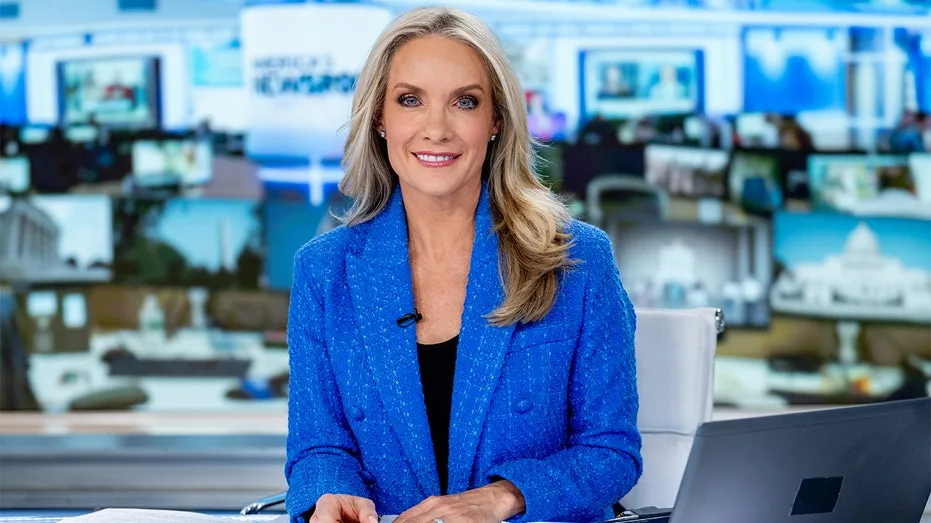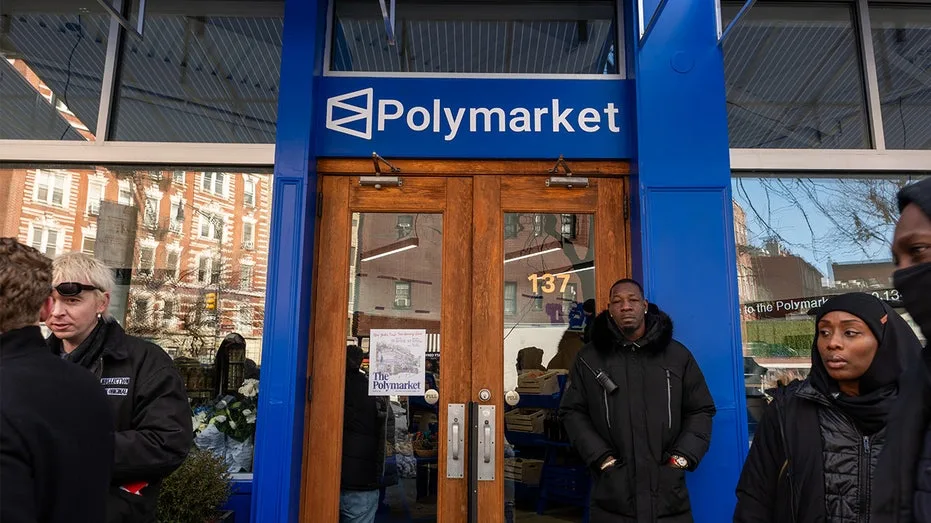
In the context of current political discourse, a commentator poses a critical question: Could voter antipathy towards a former president lead to the election of candidates whose platforms diverge significantly from established national and economic principles? The piece highlights concerns that rising fuel costs and past foreign policy decisions are influencing voters to support individuals who, it argues, may undermine the economic systems and institutions that have historically bolstered the nation's strength and prosperity.
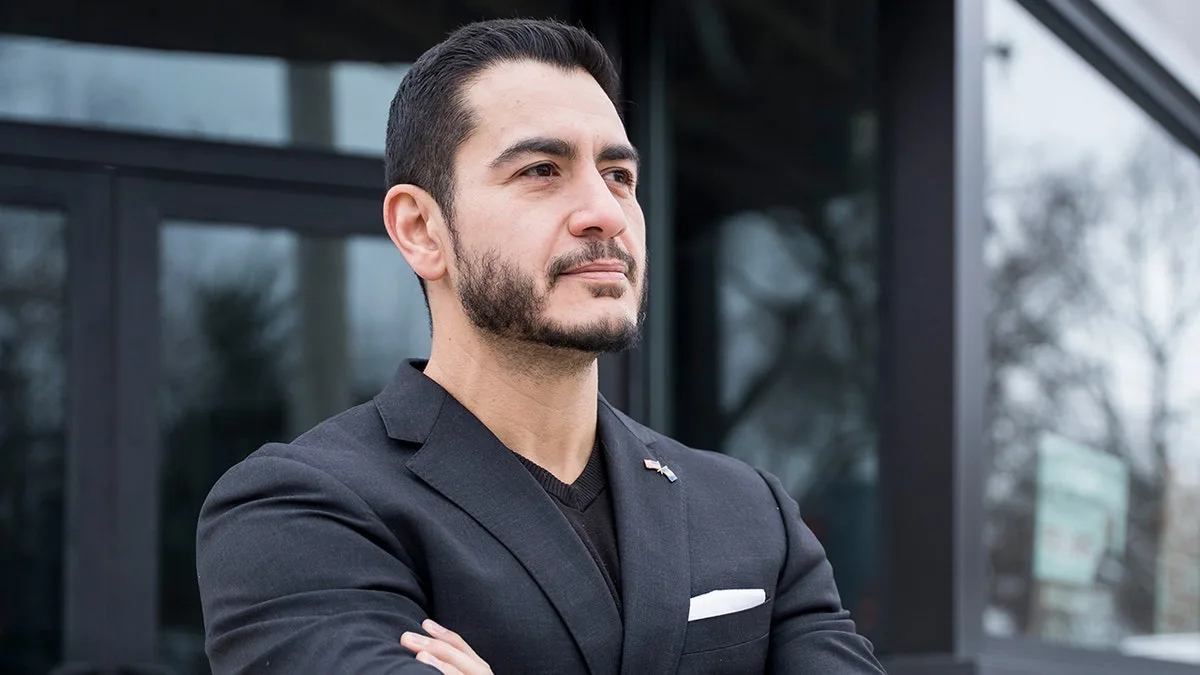
The commentary specifically points to Abdul El-Sayed, a Democratic candidate vying for a vacant Senate seat in Michigan, as an example. It questions whether his stances align with national values, citing his reported reluctance to explicitly condemn Iran’s Revolutionary Guard—an organization accused of significant human rights abuses and orchestrating attacks against American interests through proxies. Furthermore, El-Sayed is noted for initially advocating for a 'Medicare-for-All' system that would eliminate private insurance, a position he later modified as it threatened his campaign. His association with Hasan Piker, described as a figure critical of American foreign policy and Israel, is also brought into question.
Evaluating Economic Promises and Outcomes
The author presents three key arguments for voters to consider before casting their ballots:
- Democratic promises of 'affordability' consistently lead to increased prices.
- Voters should look beyond alarmist headlines and acknowledge current economic growth, recognizing that Democratic policies could reverse this progress.
- Americans must consider the potential return to policies previously rejected, such as open border approaches, lenient crime regulations, and green energy mandates that could hinder the domestic fossil fuel industry.
The piece questions the desire to return to what it characterizes as a 'woke and feckless America,' asserting that the rationale behind supporting policies championed by Donald Trump remains pertinent.
Regarding the concept of 'affordability,' the commentary challenges the notion that Democrats deliver on this promise. It points out that nearly all of the ten most expensive states and cities in the U.S. are governed by Democrats. This, it suggests, is not coincidental, but rather a direct result of Democratic preferences for high taxes and extensive regulations, which businesses invariably pass on to consumers, driving up costs.
Specific examples are provided: California's gasoline tax, which at 74 cents per gallon is the highest in the nation; New York's intricate building regulations, reportedly making construction slower and more costly than anywhere else globally, thus inflating housing prices; and New York Governor Kathy Hochul's recurring $22 'Congestion Pricing' fee on large trucks delivering goods to New York City, a cost ultimately borne by consumers.
Policy Trajectories and Their Consequences
The author contends that Democrats generally favor increased spending and taxation. As an illustration, the commentary recalls Kamala Harris's reported intention during her 2024 presidential campaign to repeal the 2017 tax cuts enacted by the Trump administration, which allegedly provided an average American family with an additional $2,000. It also notes that every Democrat in Congress reportedly voted against a bill designed to cut taxes on tips and overtime, which aimed to deliver thousands more to working individuals.
A comparison of federal government workforce sizes is also drawn: the federal workforce reportedly reached a record high of approximately 3 million under Joe Biden's administration (excluding Census years), while it reportedly decreased to 2.67 million under Donald Trump, reflecting a priority on manufacturing jobs over bureaucratic expansion.
Furthermore, the commentary highlights differing approaches to welfare programs, with Democrats reportedly favoring expansion and taxpayer-funded benefits, even for undocumented individuals, while Republicans aim to reduce spending through efforts to identify and eliminate fraud and waste.
The article attributes current economic growth to the Trump administration's policies of deregulation and tax cuts. It cites the Atlanta Fed's report of economic growth exceeding 5%, with a notable surge in investment, particularly in AI-related sectors. Despite concerns about artificial intelligence, some fueled by what the author describes as Chinese propaganda, the commentary suggests that this technology promises advancements in areas like cancer treatment, education, and business productivity, fostering national prosperity. It advocates for government collaboration with AI companies to ensure safety, while arguing against congressional oversight. The author asserts that Trump's approach on this matter is correct.
Positive economic indicators are enumerated, including child poverty reaching an all-time low last year, real median household income being the highest on record, and household net worth reportedly increasing by 17% since the start of Donald Trump's previous presidential term. The stock market, hovering near all-time highs, benefits the 62% of Americans who hold stocks directly or indirectly. The author warns that these gains could be jeopardized if Democrats assume power.
The article outlines how such a reversal might occur:
- Democrats could reopen the border, with some candidates, like House contender Darialisa Avila Chevalier, advocating for its complete elimination.
- The party, influenced by figures such as Bernie Sanders, might impede AI development, potentially benefiting China.
- A Democratic Congress could relax recent changes to Medicaid eligibility, leading to an increase in welfare recipients and spending.
- Similar to actions taken by Joe Biden, Democrats might attempt to curb U.S. oil and natural gas production by restricting Alaskan drilling, limiting LNG exports, or reducing lease sales and drilling permits.
- They would likely oppose any extension of the tax cuts implemented during the Trump administration, potentially increasing economic uncertainty and dampening business investment.
While acknowledging that Donald Trump has made some missteps, such as advocating for his name on the Kennedy Center or engaging in unnecessary conflicts with Canada and members of the media, the commentator concludes that on critical substantive issues, his policies are more often correct. Conversely, the policies advocated by Democrats are deemed entirely misguided.