Senate Approves Bipartisan College Sports Bill to Standardize NIL, Transfer Rules
The "Protect College Sports Act," spearheaded by Senators Ted Cruz and Maria Cantwell, passed the Senate and now heads to the House for consideration.
Sports·
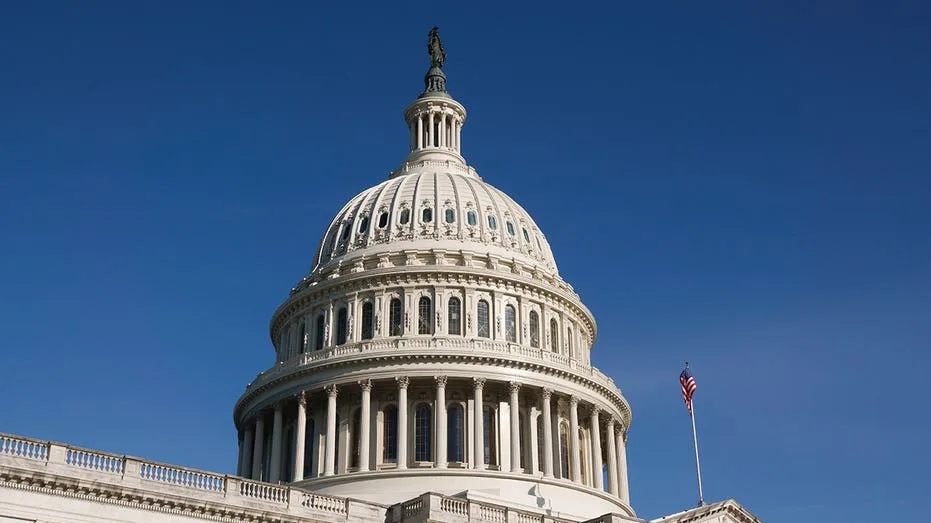
The United States Senate has approved the "Protect College Sports Act," a legislative measure designed to institute nationwide regulations for collegiate athletics. This comprehensive bill addresses various aspects of college sports, including Name, Image, and Likeness (NIL) agreements, athlete remuneration, recruitment practices, eligibility criteria, and player transfers.
Spearheaded by Senator Ted Cruz (R-Texas) and Senator Maria Cantwell (D-Washington), the bipartisan legislation secured passage in the Senate on Monday evening with a significant vote count of 77 in favor and 22 opposed.
The bill's advancement follows calls from President Donald Trump, who had previously encouraged legislators to finalize the bill before the congressional summer recess, stating, "we have to get that done."
I’m urging the House and the Senate to come together, bipartisan if possible and it looks like they have done, to send the bill to my desk and I will sign it. I think we have no choice. We have to get that done. If we don’t, we’re very foolish. Nobody knows what will happen. We’re in Never-Never Land. We’re not going to let that be happening. We’re not going to let that happen to these great people and others.
These remarks were made during an event where he hosted members of Team USA from the recent Winter Olympic and Paralympic Games.
Having cleared the Senate, the "Protect College Sports Act" will now proceed to the House of Representatives. If it successfully navigates the House, the legislation will then reach President Trump's desk for his signature, potentially enacting it into law.
Addressing the Evolving Landscape of College Sports
Prior to the vote, Senate Majority Leader John Thune (R-South Dakota) articulated the widespread sentiment regarding the state of collegiate athletics. "I think most people acknowledge that the current landscape of college sports is a mess," Thune stated, emphasizing, "It needs to be addressed."
The proposed legislation aims to grant collegiate governing bodies enhanced legal protections against antitrust challenges. Concurrently, it seeks to establish a standardized framework for college sports, particularly concerning NIL compensation and the process of athlete transfers.
Senator Cruz has been a key proponent of this bill since the National Collegiate Athletic Association (NCAA) initiated its policy allowing student-athletes to profit from their Name, Image, and Likeness. The absence of clear federal guidelines following the NCAA's landmark 2021 decision led to an unconstrained environment, prompting the NCAA itself to request legislative intervention to bring order to the system.
During a press conference on Monday, Senator Cruz addressed questions about congressional involvement, asserting, "Some have asked why should Congress get in the middle of this? The answer is simple: because Congress screwed it up in the first place."
He elaborated that the application of federal antitrust laws through a series of legal challenges has effectively dismantled previous regulations. "It has been the federal antitrust laws applied in litigation after litigation after litigation that have had the effect of tearing down essentially all the rules," Cruz explained, concluding, "So right now it is the Wild West."
Key Provisions and Divergent Views
If enacted, the bill would introduce significant changes, including broader restrictions on the athlete transfer portal and the establishment of a standardized five-year eligibility framework. It would also implement guardrails against improper recruiting and tampering, mandating specific timeframes within which schools and agents can contact or recruit athletes. Furthermore, the legislation proposes a federal standard for NIL rules and a cap on revenue sharing.
Despite bipartisan support, the bill faces opposition from some lawmakers, notably Senator Chris Murphy (D-Connecticut). Senator Murphy has voiced concerns that the legislation could diminish athletes' bargaining power while simultaneously granting antitrust exemptions to educational institutions.
Earlier this month, Senator Murphy stated on social media, "The ‘chaos’ is that (mostly Black) athletes now have bargaining power and White coaches and sports industry execs hate it."
In August, Senators Josh Hawley (R-Missouri), Jim Banks (R-Indiana), and Tommy Tuberville (R-Alabama) introduced an amendment to the bill. This amendment sought to ensure the legislation would not supersede state laws that prohibit biological men from participating in women's sports. Their objective was to address what they perceived as a loophole that could undermine existing state-level protections.
Senator Hawley later confirmed that he voted in favor of advancing the legislation, indicating that his concerns regarding the amendment had been satisfactorily addressed and resolved within the bill's language.
However, the House of Representatives is currently in recess, scheduled to reconvene after the upcoming midterm elections. Consequently, any potential vote on the "Protect College Sports Act" that would send it to President Trump for signature will be delayed until after this period.
Related Stories
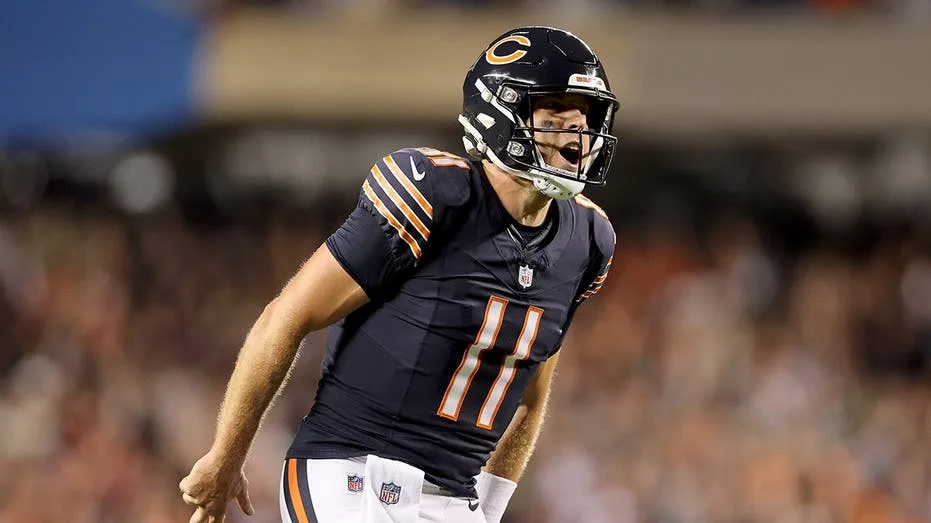
Case Keenum's Resurgent Performance Against Eagles Signals Patience for Caleb Williams' Return
Case Keenum, 38, delivered a standout performance, orchestrating a decisive 27-7 win for the Chicago Bears. His effectiveness suggests the team can afford patience with injured franchise quarterback Caleb Williams,
Sep 29
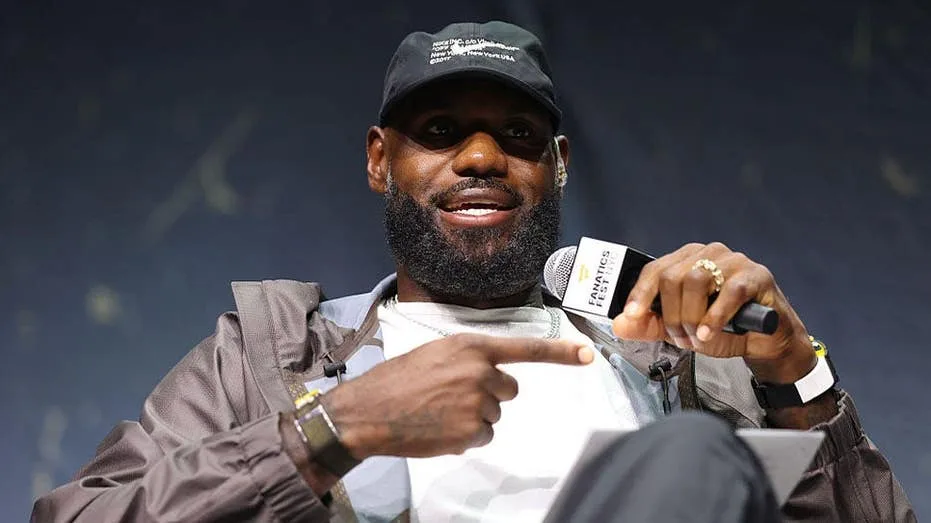
LeBron James Reflects on Near Knicks Move, Sets High Bar for 76ers After Championship Bid
LeBron James made headlines at 76ers Media Day, outlining his championship aspirations and expressing his self-belief. He also candidly shared that he considered signing with the New York Knicks, but decided against it
Sep 29
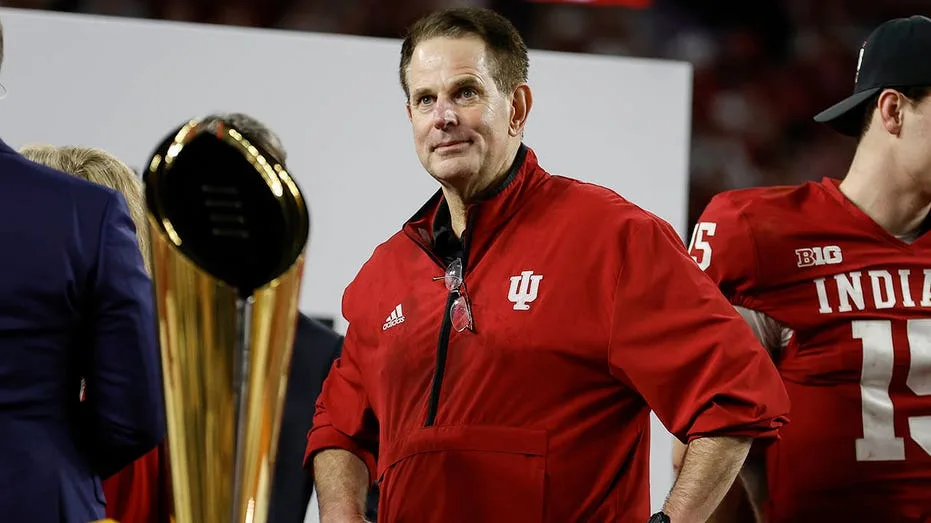
College Football Playoff Committee Introduces New Metric Amidst Ongoing Transparency Concerns
The College Football Playoff committee faces constant scrutiny in its challenging role. A new "strength of conference" metric is being added to their evaluation, intended to help differentiate teams. However, critics
Sep 29
Caleb Williams Observed Pacing Sideline During National Anthem Amid Hamstring Injury Recovery
During the national anthem at a recent Monday Night Football game, Chicago Bears quarterback Caleb Williams was seen pacing the sideline. Despite a hamstring injury keeping him out, his movement during the ceremony
Sep 29