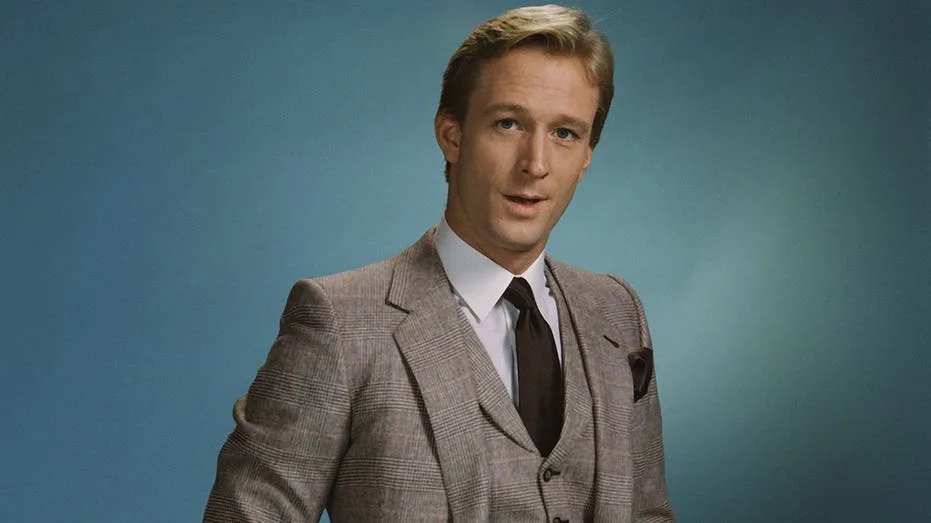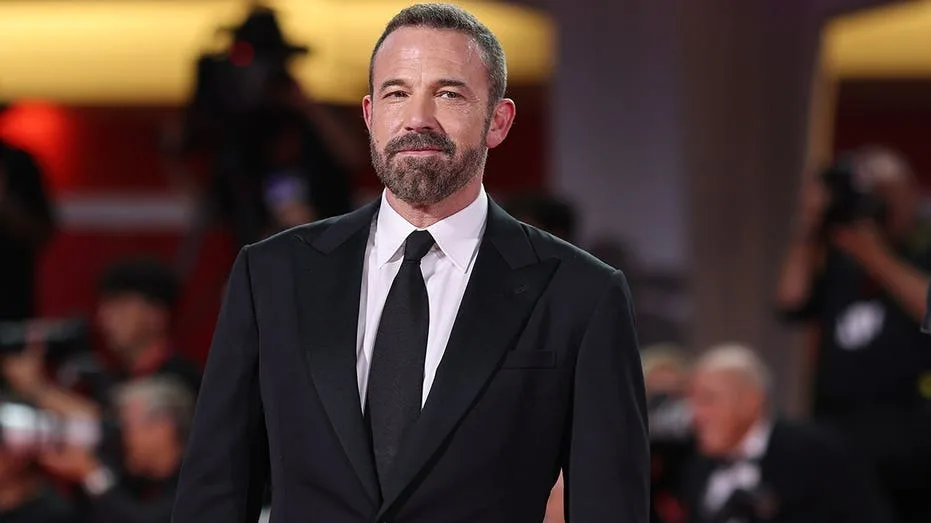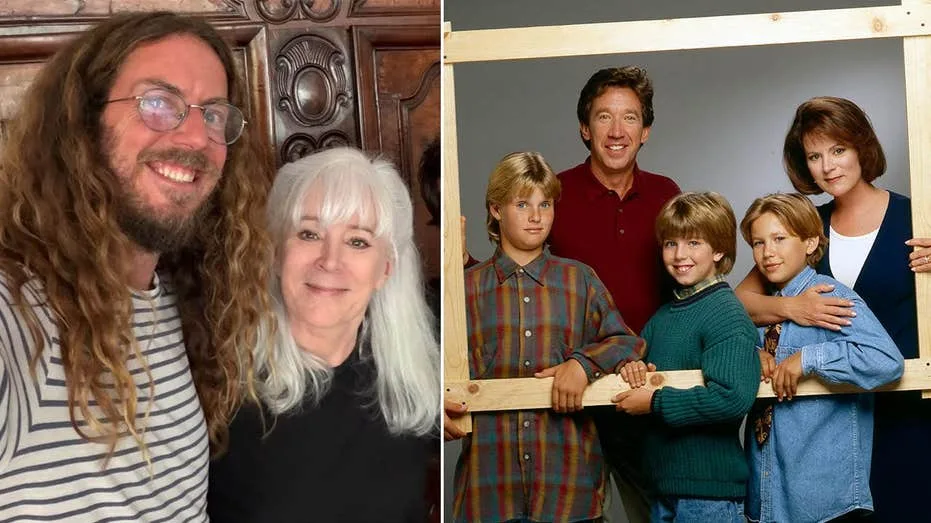
Taran Noah Smith, who portrayed Mark Taylor, the youngest son on the popular 1990s sitcom "Home Improvement," has offered new insights into the series' conclusion. The former actor, now 42, was seven years old when he began his role in 1991.
The sitcom, which drew inspiration from lead actor Tim Allen's stand-up comedy persona, centered on Tim "The Tool Man" Taylor, a television host of a home improvement show called "Tool Time," and his family life with wife Jill (Patricia Richardson) and their three sons: Mark, Brad (Zachery Ty Bryan), and Randy (Jonathan Taylor Thomas).
"Home Improvement" quickly rose to become one of the highest-rated programs of the 90s, running for eight seasons and a total of 204 episodes. However, the show wrapped up in 1999 after Richardson chose not to sign on for a proposed ninth season.
During a recent appearance on Tom Scharpling and Julia Vickerman's podcast "Outgrown," Smith reflected on his time on the show and shared his perspective on Richardson's reasons for leaving.
A Push for Authenticity
Smith recounted that Patricia Richardson joined the cast as Jill just days before the pilot was filmed. She replaced Frances Fisher, who was initially cast as Tim's wife but was replaced during rehearsals.
"When they brought Patricia in, there was just a much better chemistry," Smith stated. He noted that Richardson, a mother herself who had recently given birth to twins and had an older child close to his age, brought a "much more of a realistic mom energy" to her character. This authenticity translated into her actively advocating for the show's realism, often engaging with writers.
"She would tell the writers, ‘A mother would never say this,’ and get them to change it," Smith recalled. He affirmed that he "definitely" agreed with Richardson's interventions, though he acknowledged that he and the other child actors were largely excluded from script discussions.
"They'd do a run-through of the script on Monday and then the kids would go to school usually, and they would continue to discuss the script," he explained.
Creative Shifts and Set Dynamics
Smith also remembered a shift in the show's creative direction following the departure of its original writing and producing team.
"The original creators only did the first couple seasons, and then they moved on, and they brought in a whole other group of writer/producers," he explained. He observed that few of these new writers had children, leading the show's scripts to take "a different direction."
"It was really Pat, the mom, who fought the good fight to make it more realistic because oftentimes it would just be something that was very out of character just to sell a joke, just to set up a joke," he continued. "It's like, ‘Wait, this is not what the characters are about.’"
Smith speculated that Tim Allen might have been hesitant to assert too much control, having observed dynamics on another sitcom, "Roseanne." "Roseanne," which premiered in 1988 and was an immediate success, was co-created by Matt Williams, who also co-created "Home Improvement." Both shows were built around their stars' stand-up comedy personas.
However, Roseanne Barr famously clashed with producers and writers, including Williams, over the show's direction and tone. These tensions led to Williams' departure after the first season, and Barr subsequently gained more creative influence, receiving a creator credit in later seasons.
"I think Tim was overall maybe a bit worried about being a tyrant because the same creators created ‘Roseanne,’ and Roseanne took over the show and fired the creators, fired everybody," Smith recalled. "Actually, all our camera crew had been fired in one day from ‘Roseanne’ and came over to us. So, Tim was always, I think, more hands-off with that, not wanting to be tyrannical, which meant that it was a lot more on Pat to push."
The Final Season and Unequal Pay
Smith concluded that Richardson's fatigue from this constant struggle for realism was a primary factor in the show's eventual ending.
"That's one of the reasons why the show ended up eventually ending, because she was just tired of it, of having to fight to make it realistic all the time," he stated.
He also highlighted a significant pay disparity: "And Tim was getting far more money than she was." Smith suggested that Richardson used the negotiation for a ninth season as her method of concluding her time on the show. "That was her actual way of stopping. She said she'd do a ninth season if she got paid the same amount as Tim, knowing they wouldn't do it."
Richardson's Perspective
Smith's recollections align with statements Patricia Richardson has made over the years regarding her experience and departure from "Home Improvement."
In a May 2024 interview with the Los Angeles Times, Richardson recounted that when she accepted the role, creators assured her the show was not intended to be solely focused on Tim Allen. "When I took the job, they said it wasn’t meant to be the Tim Allen show. It was meant to be our show," she said, adding, "I’ve always said, I don’t want to play the thankless wife."
Richardson recalled creative disagreements with male writers concerning how her character, Jill, would respond to certain situations. She remembered one instance where she was told, "Pat, it’s not like we don’t understand women. We’re married to them."
The actress, who received four Primetime Emmy Award nominations for her portrayal of Jill, informed the LA Times that the decision to leave the series was her own. She determined during the eighth season that it would be her last, citing a desire to dedicate more time to her children after her divorce and her belief that the sitcom had run its course. She also pointed to Jonathan Taylor Thomas' departure and declining viewership as contributing factors.
Furthermore, Richardson felt that Disney, the network's parent company, did not adequately acknowledge her creative contributions to the series. She stated that despite helping to shape her character and storylines, she was denied a producer credit, even as Tim Allen became an executive producer.
"I told everybody, there’s not enough money in the world to get me to do a ninth year. This show is over. It needs to end," Richardson recalled.
Richardson shared that ABC unexpectedly proposed continuing the series with a 25-episode ninth season. She said Disney offered her a salary of $1 million per episode, while Allen was offered $2 million per episode.
Though Allen reportedly accepted the offer immediately, Richardson countered with terms she anticipated the studio would reject. She requested equal pay with Allen and an executive producer credit.
"I knew that Disney would in no way pay me that much. That was my way to say ‘no’ and was a little bit of a flip-off to Disney," Richardson explained. "I’d been there all this time, and they never even paid me a third of what Tim was making, and I was working my a-- off. I was a big reason why women were watching."