New Study Suggests High Daily Coffee Consumption May Affect Bone Density in Older Women
A recent study indicates that older, postmenopausal women who consume more than five cups of coffee daily may experience reduced bone mineral density, while moderate tea intake shows a positive correlation.
Health·
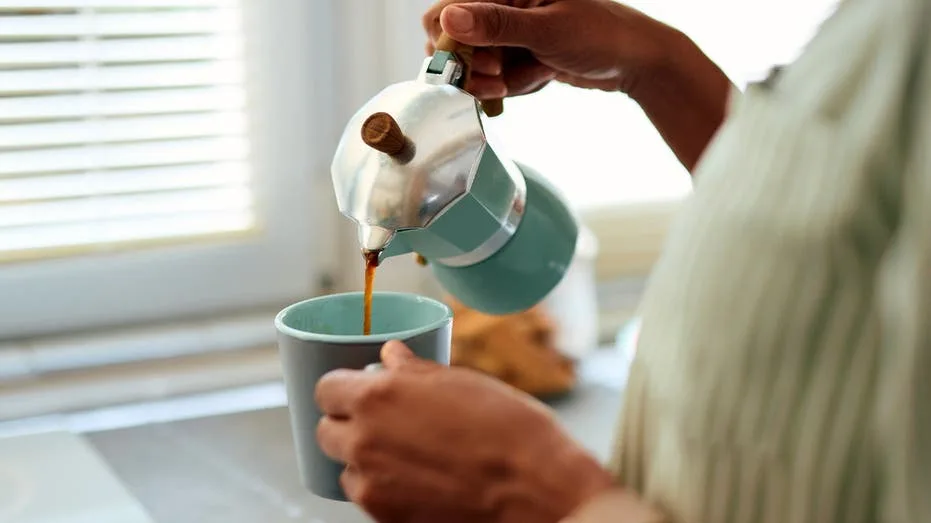
For women who frequently consume coffee throughout the day, new research suggests a potential impact on bone health. A study published in the journal Nutrients by researchers at Flinders University indicates a possible link between high coffee intake and lower bone mineral density (BMD) in older, postmenopausal women.
The research team analyzed the coffee and tea consumption habits of 9,704 women, all aged 65 or older, over a decade. During this period, they also measured participants' BMD in the femoral neck and hip — common sites for fractures related to osteoporosis.
The findings revealed that tea consumption was associated with higher total hip BMD. In contrast, drinking more than five cups of coffee per day was linked to lower BMD. However, moderate coffee consumption, defined as approximately two to three cups daily, did not show any negative effects on bone health.
Investigating Lifestyle Factors and Bone Health
The study also highlighted differences based on other health and lifestyle elements. Higher coffee consumption was associated with lower femoral neck BMD among women who reported greater alcohol intake. Conversely, the positive connection between tea and bone density was more pronounced in women classified as having obesity.
The researchers underscored the global significance of osteoporosis, a condition characterized by low BMD, describing it as "a major global public health concern affecting individuals across all ages, genders and ethnicities." Globally, about one in three women and one in five men aged 50 and above experience fractures due to osteoporosis, according to the study. Women face a particularly elevated risk because they typically have lower bone mass and experience accelerated bone loss following menopause.
In the United States, projections indicate that the number of adults aged 50 and older with low BMD in the hip or spine is expected to increase by 17.2 million by 2030. This rise contributes to the growing healthcare costs and long-term disability associated with osteoporosis-related fractures, as noted by the researchers.
Understanding the Mechanisms and Expert Perspectives
The scientists focused on the relationship between coffee, tea, and bone health because dietary factors play a "crucial role in the prevention of noncommunicable disease and may influence bone health," and both are among the most widely consumed beverages worldwide.
Ryan Liu, a co-author of the study, explained that "compounds called catechins, abundant in tea, may promote bone formation and slow bone breakdown." He contrasted this with coffee, stating that its caffeine content "has been shown in laboratory studies to interfere with calcium absorption and bone metabolism, though these effects are small and can be offset by adding milk."
"Our results don't mean you need to give up coffee or start drinking tea by the gallon," Liu advised. "But they do suggest that moderate tea consumption could be one simple way to support bone health and that very high coffee intake might not be ideal, especially for women who drink alcohol."
Liu further clarified that because the study observed women over time without assigning them to specific beverage consumption, it can only demonstrate associations, not definitively prove that coffee weakens bones or that tea strengthens them.
The study acknowledged certain limitations, including variations in participants’ lifestyles, its primary focus on bone density rather than actual fractures, and the relatively small effects observed mainly in older women.
According to the Mayo Clinic, symptoms indicative of osteoporosis and early bone loss can include back pain, a gradual loss of height, and the development of a stooped posture.
Regarding general advice for the public, an expert noted that "moderate coffee intake appears fine, and there is no need to switch drinks for the sake of your bones."
"The most proven ways to protect bone health remain getting enough calcium and vitamin D, staying physically active and avoiding smoking and excess alcohol," the expert added. "With that said, I do make a case for moderate amounts of coffee for good health. Too much of anything is never a good thing."
Related Stories
Kratom Industry Urges Distinction Between Natural Product and Synthetic Opioids Amid Student Death Probe
Amid an investigation into the deaths of two university students, the kratom industry is calling for clear distinctions between natural kratom products and synthetic opioids. They advocate for stronger enforcement of
Oct 1

Neurologist Introduces '10-Year Rule' for Assessing Brain Fog and Early Dementia Symptoms
Many older adults worry about memory lapses, fearing early dementia. A UCLA neurologist suggests comparing current cognitive state to ten years ago, especially for women experiencing menopausal hormone shifts. This
Sep 26

Presley Gerber's Death at Rehab Facility Prompts Questions on Overdose, Withdrawal, and Treatment Safety
Presley Gerber's death at 27 has sparked discussions about the inherent dangers of addiction recovery, including overdose potential, withdrawal complications, and safety measures within rehabilitation facilities. An
Sep 22
Optimizing Post-Workout Recovery: Six Key Strategies for Adults Over 35 to Maintain Strength
As adults age, effective post-exercise recovery becomes crucial for muscle health. A New York-based fitness coach shares six vital strategies, from prioritizing sleep and proper nutrition to understanding soreness,
Sep 21