World Cup Tourists' American Revelations Highlight Ideological Divide, Opinion Piece Suggests
An opinion piece draws a connection between the enthusiasm of European World Cup visitors for American amenities and the policy stances of certain progressive political figures.
Opinion·
Over recent weeks, two distinct narratives have captured national attention: the growing prominence of progressive candidates within the Democratic Party and the pronounced appreciation European World Cup visitors have shown for American culture. An opinion piece suggests these two themes are closely related.
The aspects of the United States that have particularly impressed European visitors, the piece argues, largely stem from a capitalist framework—elements that figures identified as Marxists within the Democratic Party, such as Darializa Avila Chevalier, a prospective congressional member, and New York Mayor Zohran Mamdani, would purportedly seek to change.
American Amenities Appreciated by Visitors
Examining the specific points of European admiration reveals a consistent pattern. Visitors have expressed delight in the affordability of road trips, characterized by inexpensive fuel, the expansive scale of big-box retail stores, the widespread availability of air conditioning, the unique charm of authentic small towns, and the common practice of free refills. These, the opinion piece contends, are direct benefits of a capitalist economy.
Regarding vehicular travel, there's a clear indication that groups like the Democratic Socialists of America advocate for reduced personal car usage. This perspective, the piece notes, underpins initiatives such as congestion pricing, which restricts private vehicles from certain thoroughfares.
This stance against widespread car dependency also extends to fuel costs. Proponents of these views, it's suggested, believe that increased domestic oil production poses environmental risks and that individuals unable to afford electric vehicles should rely on public transportation.
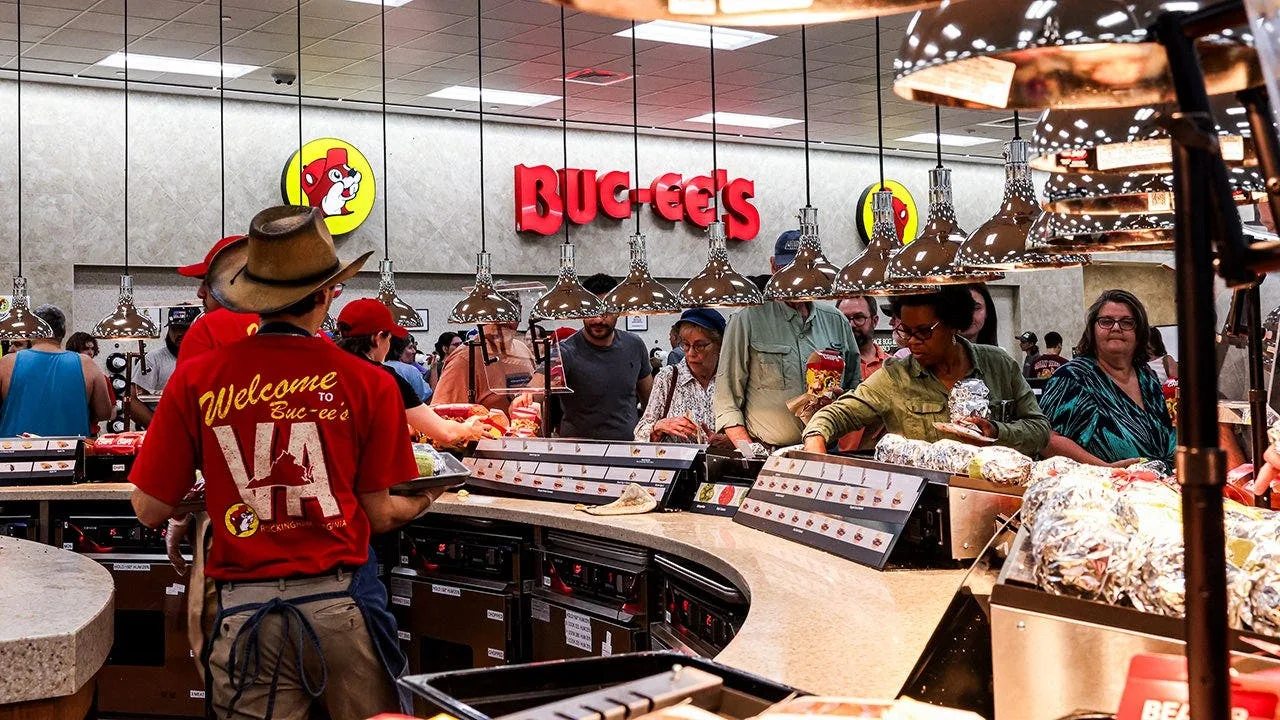
The sheer size and variety of American retail establishments, like Walmart, Costco, and Buc-ee's, have astonished European visitors, who reportedly approach these stores with a sense of wonder, akin to visiting a museum. Their faces, the piece describes, light up with surprise and joy at the audacious array of products.
These expansive commercial centers, products of 21st-century consumerism, are viewed with disdain by those identified as communists, the opinion piece asserts. It points out the absence of Walmart stores in New York City as an example, suggesting that if these ideologies gain national power, such retail giants could vanish nationwide.
Furthermore, under the kind of governance associated with candidates like Melat Kiros in Colorado and Abdul El-Sayed in Michigan, the piece speculates that not only large retail stores but also the distinct small towns they serve—towns that captivate European visitors—could disappear, replaced by a system where collective living is emphasized.
Even air conditioning, often perceived as a remarkable convenience by visitors, became a point of contention. Mayor Mamdani recently advised New Yorkers to set their thermostats at 78 degrees during a heatwave. The piece questions whether the mayor himself adheres to this directive.
Ideological Contrasts and Policy Implications
The opinion piece argues that it is no mere coincidence that those identified as Marxists within the Democratic Party seek to alter many aspects of American life that Europeans admire. It posits that their explicit objective is to align the United States more closely with European models.
Many of the policy proposals favored by progressive figures, such as Chevalier, are already implemented in parts of Europe, where, the piece claims, socialist policies have hindered economic growth to the extent that these nations cannot compare economically with the United States.
What European visitors are directly experiencing, the piece concludes, are the dynamic commercial opportunities inherent in America's free-market capitalist society, which, to them, appears almost futuristic.
Capitalism's Enduring Appeal
The experiences of these visitors, who reside in countries often associated with universal healthcare and higher taxes, yet express awe at American abundance, are presented as a clear warning about the potential dangers of Marxist ideologies. They are, in effect, declaring the U.S. a wonderland.
Regrettably, the opinion piece suggests, prospective progressive leaders currently prominent in Democratic Party primaries—many of whom are described as coming from privileged backgrounds and holding
Related Stories

AI's Future and Copyright Law Collide: The Debate Over Fair Use and Creator Compensation
Major news organizations are suing AI companies over the use of copyrighted material for training, sparking a debate on "fair use." The Department of Justice's broad interpretation threatens creator compensation and may
Nov 25
Systemic Stagnation: Why Essential Services and National Security Face Mounting Challenges
Recent widespread disruptions, including an FAA ground stop and major email system collapse, highlight growing systemic vulnerabilities. Meanwhile, an alleged espionage scandal involving a tech CEO and a suspected
Nov 16
Stephen Miller's White House Appointment Sparks Unprecedented Immediate Backlash
Following the announcement of Stephen Miller's new high-level White House role, an intense wave of criticism from media figures and political opponents quickly emerged. Commentators noted the swiftness and ferocity of
Nov 9
Interstate Migration Sparks Political Debate in Texas and Other Conservative States
A growing number of individuals moving from states like California to Texas are maintaining their Democratic voting habits, leading to concerns among long-time residents about the potential political transformation of
Oct 30