White House Report Uncovers Multi-Billion Dollar Tariff Evasion Scheme, Citing China as Primary Example
A new federal report details how foreign exporters are rerouting goods through third countries to circumvent U.S. tariffs, potentially costing the Treasury billions annually.
Politics·
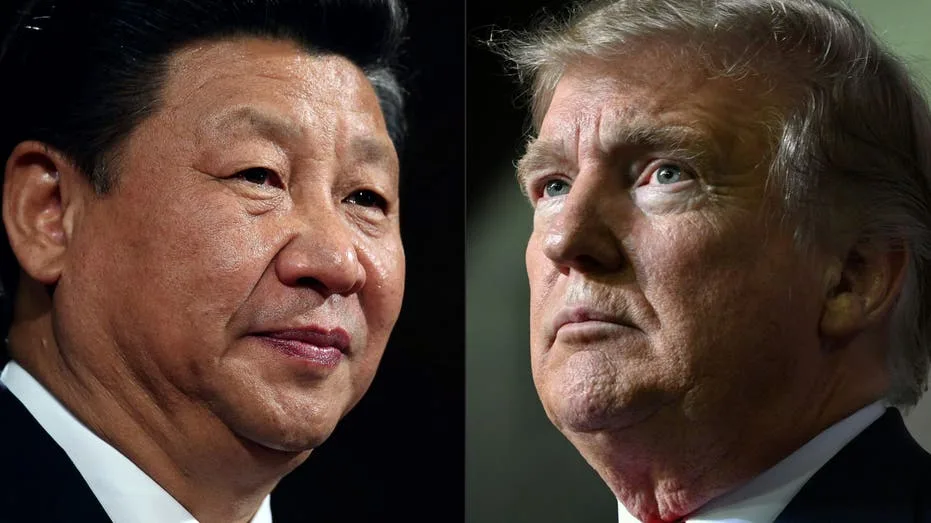
Concerns are escalating regarding foreign exporters' tactics to bypass U.S. tariffs by routing their products through intermediary nations, as highlighted in a new White House report released on Thursday.
Among more than 40 countries identified as posing a significant risk for transshipment are China, Panama, Mexico, and Colombia. Other nations cited in the report include Brazil, Argentina, Chile, Peru, Costa Rica, and the Dominican Republic.
Transshipment involves sending goods through a third country before they officially enter the United States. During this process, the country of origin may be altered, potentially allowing the goods to qualify for reduced tariffs upon arrival.
The 25-page document, titled "The Great Transshipment Scam," was compiled by the White House Office of Trade and Manufacturing Policy, which is overseen by trade adviser Peter Navarro.
China's Role in Tariff Evasion
The report designates China as the most prominent historical instance of transshipment practices. Following the implementation of Section 301 tariffs on Chinese imports in 2018, the direct U.S. trade deficit with China saw a reduction in both 2019 and 2020.
According to the report, after these tariffs were imposed, Chinese exporters increasingly diverted their goods through other countries. Products that previously traveled directly from China to the United States were instead shipped via jurisdictions where minor modifications—such as limited assembly, finishing, repackaging, relabeling, or changes to documentation—could create the false impression of a different national origin.
The report further explains that these methods have, over time, fostered a sophisticated global network comprising production hubs, logistics platforms, free-trade zones, bonded warehouses, processing corridors, and re-export centers specifically designed to facilitate transshipment.
Financial Impact and Enforcement Efforts
Estimates within the report indicate that tariff-avoiding transshipment costs the U.S. Treasury between $19 billion and $26 billion in lost revenue each year. Broader government and private-sector assessments cited in the report place the total value of goods transshipped to circumvent tariffs at approximately $34.2 billion to $303 billion annually.
The administration has actively worked to enhance the enforcement of transshipment regulations. Navarro commented on the issue, stating that for many years, the widespread transshipment scheme has enabled goods from China to be effectively
Related Stories
Federal Judge Halts Trump-Era Fines Up to $1.8 Million for Migrants
A federal judge has issued a preliminary injunction against Trump administration fines for migrants who failed to leave the U.S. after deportation orders. The ruling cited violations of federal law and potential
Oct 7

Dennis Hastert, Longest-Serving Republican House Speaker and Convicted Child Molester, Dies at 84
Former House Speaker Dennis Hastert has died at 84. His political career, marked by an unexpected rise to power as the longest-serving Republican Speaker, was later overshadowed by a federal conviction for concealing
Oct 6
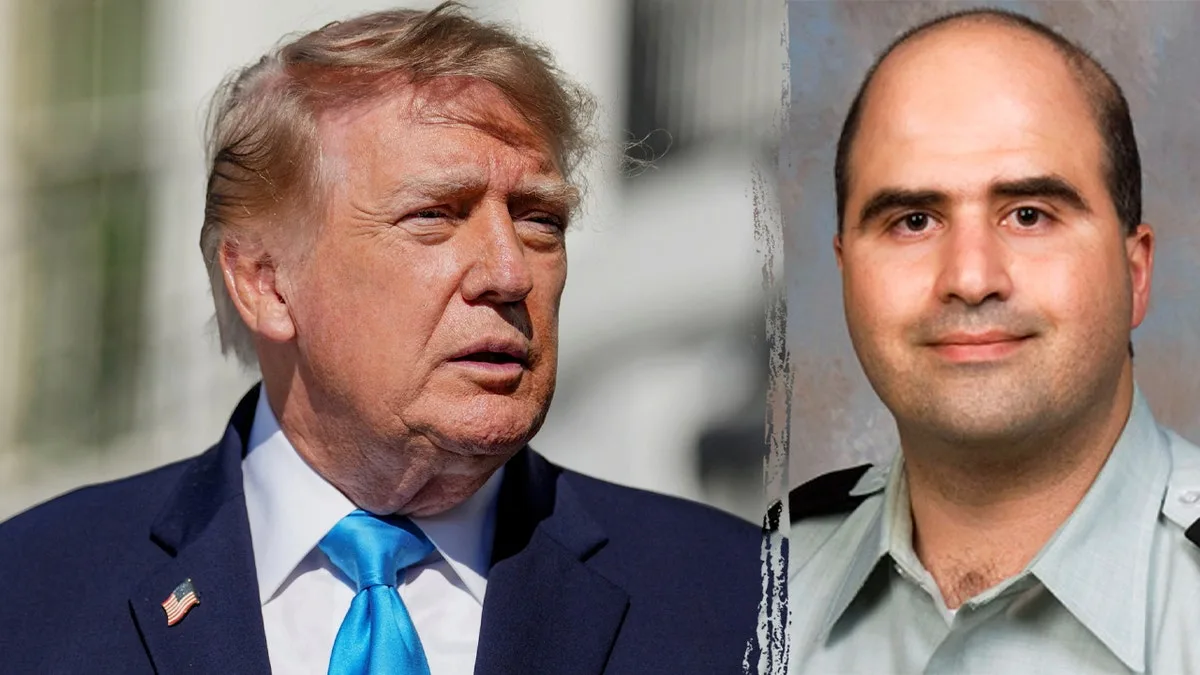
Trump Clears Path for Fort Hood Shooter Nidal Hasan to Face Army Firing Squad After Nearly 17 Years
President Donald Trump has authorized the execution of Fort Hood shooter Nidal Malik Hasan by military firing squad. This decision, announced by a Pentagon spokesperson, comes nearly 17 years after Hasan killed 13 and
Oct 6

Black Voter Turnout Emerges as Decisive Factor in Texas Senate Race to Challenge Republican Dominance
In the closely watched Texas Senate contest, Democratic candidate James Talarico's chances against Republican Ken Paxton hinge significantly on Black voter participation. This election could potentially end the GOP's
Oct 4