Guinea Landfill Collapse Kills Dozens, Triggers Search for Survivors Amid Prior Warnings
A vast waste dump in Conakry, Guinea, gave way on Sunday, burying homes and trapping residents, with officials confirming at least 30 fatalities.
World·
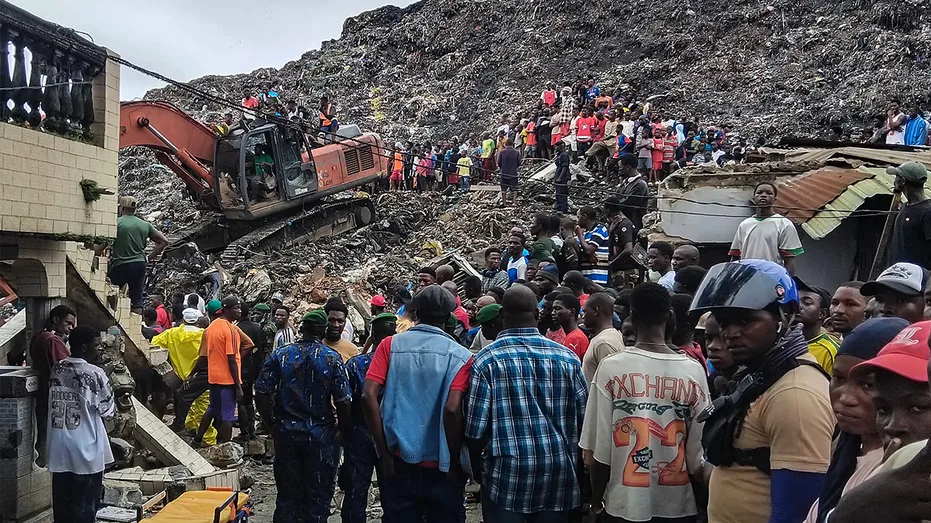
A catastrophic collapse at a vast open-air landfill in Guinea's capital, Conakry, claimed the lives of at least 30 individuals on Sunday, burying residential structures and trapping many under tons of refuse. The incident has prompted an urgent search-and-rescue operation as emergency teams comb through the debris for survivors.
Casualties and Contributing Factors
The disaster occurred at Dar Es Salam, the primary waste disposal site in Conakry, the capital of the West African nation. The immense pressure from the accumulating waste was reported to have caused a three-story building situated below the dump to collapse. Officials indicated that intense overnight rainfall further exacerbated the perilous state of the landfill, contributing to the treacherous conditions.
Initial accounts confirmed six serious injuries and the destruction of multiple residences in the catastrophe. Emergency services immediately initiated a comprehensive search-and-rescue effort to locate any individuals who might have survived the collapse.
Prior Warnings and Evacuation Efforts
The landfill had been slated for closure on Sunday, following official warnings regarding its perilous state. Lieutenant Colonel Baldé Mamadou Bailo, a sanitation officer with the military engineering battalion, had previously highlighted these dangers. This decision was prompted by previous reports of a comparable incident at the site in recent years, which had already raised significant safety concerns.
As a preventive measure, residents residing in the vicinity of the landfill had received eviction notices and were compelled to leave the area. Despite these directives, numerous individuals were reportedly still in the immediate area when the collapse occurred.
Speaking from the disaster site, Dienabou Touré, the Minister of Territorial Administration and Decentralization, affirmed her commitment, stating,
We will ensure that the remaining families are relocated elsewhere.
History of Incidents
The landfill had previously experienced a similar catastrophe in 2017, when heavy downpours triggered a mudslide that resulted in at least eight fatalities. The recurring nature of such incidents underscores ongoing concerns about the safety and management of the Dar Es Salam site.
Related Stories

French Prime Minister Rejects Police Brutality Claims Amid Student Protest Injuries
French Prime Minister Sébastien Lecornu dismissed accusations of police brutality after a teenager lost a hand and another lost an eye during student protests. He attributed incidents to urban violence, while
Oct 7

Former German Foreign Intelligence Chief Arrested on Suspicion of Espionage and Attempted Treason
Germany's former foreign intelligence service head, August Hanning, 80, has been arrested on suspicion of espionage and attempted treason. An aide also faces charges, accused of providing classified documents for
Oct 7

Concerns Mount Over Transparency After Researcher's Death at Siberian Plague Institute
The passing of a researcher at a Siberian plague institute, officially attributed to pneumonia of unknown origin, has ignited concerns about Russia's transparency. Experts note a historical pattern of suppressing
Oct 6
US Coast Guard Engages in Gunfire Exchange with Individuals on Mexico Border
U.S. Coast Guard personnel exchanged gunfire with individuals across the U.S.-Mexico border near Garceno, Texas, while on a mission to intercept migrants. The incident on September 26 resulted in no reported injuries or
Oct 5