U.S. government representatives are cautioning American citizens to reconsider travel to a well-known tourist island, particularly as the anniversary of the October 7, 2023, attacks in Israel approaches, amid concerns of elevated security risks.
Specific Travel Advisory for Djerba
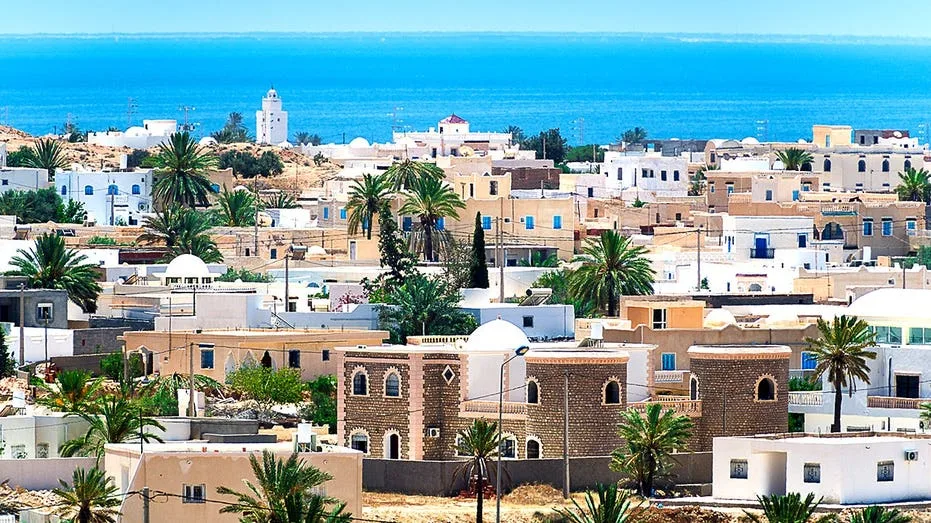
The U.S. Embassy in Tunisia released this advisory on Sunday, focusing on Djerba, a prominent island destination located off Tunisia's southern coastline, renowned for its pristine white-sand beaches and resort facilities. The statement from the embassy explicitly recommended:
Avoid travel to the island of Djerba on or around Oct. 7, 2026.
Furthermore, officials urged Americans to exercise vigilance, steer clear of large gatherings, and maintain awareness of their immediate environment. The advisory also suggested:
Avoid areas where there is a heavy police presence. Monitor local media. Keep a low profile.
Context of the Warning
This Wednesday marks three years since October 7, 2023, when Hamas militants initiated a significant assault on Israel. That event resulted in the deaths of over 1,200 individuals and injuries to thousands more, precipitating the conflict between Israel and Hamas. The attacks and subsequent hostilities have also coincided with a global increase in incidents of antisemitism. This context is particularly relevant for Djerba, given the island's established Jewish population.
Djerba, which gained recognition as a UNESCO World Heritage Site in 2023, boasts a rich history of Jewish settlement stretching back nearly two millennia, according to information from the World Jewish Congress. Annually, thousands of Jewish visitors from across the globe journey to Djerba to participate in the Lag B’Omer festival, observed between Passover and Shavuot.
The World Jewish Congress website notes:
According to some traditions, there has been a Jewish presence in Tunisia since the days of the Punic Empire and even earlier.
It also highlights a significant demographic shift:
More than 100,000 Jews have emigrated from Tunisia over the course of the last century and only around 1,000 live there today.
Broader Travel Guidance for Tunisia
For Tunisia overall, the U.S. Department of State's website currently advises a "Level 2: Exercise Increased Caution." The department's guidance warns that:
Petty crime is common, especially in popular tourist locations. Violent crime can occur and is more common after dark. Do not walk or drive at night.
Certain regions within Tunisia, specifically those bordering Libya and Algeria, are categorized under a more severe "Level 4: Do Not Travel" warning due to ongoing terrorism concerns. The State Department's website states definitively:
Terrorist groups continue plotting possible attacks in Tunisia. Terrorist groups and individuals may attack, and may do so without warning or a pre-meditated target.