Americans Shift Away From Multivitamins Toward Targeted Supplements, Study Reveals
New research indicates a growing preference for specific vitamins and minerals over general multivitamin formulations among U.S. adults.
Health·
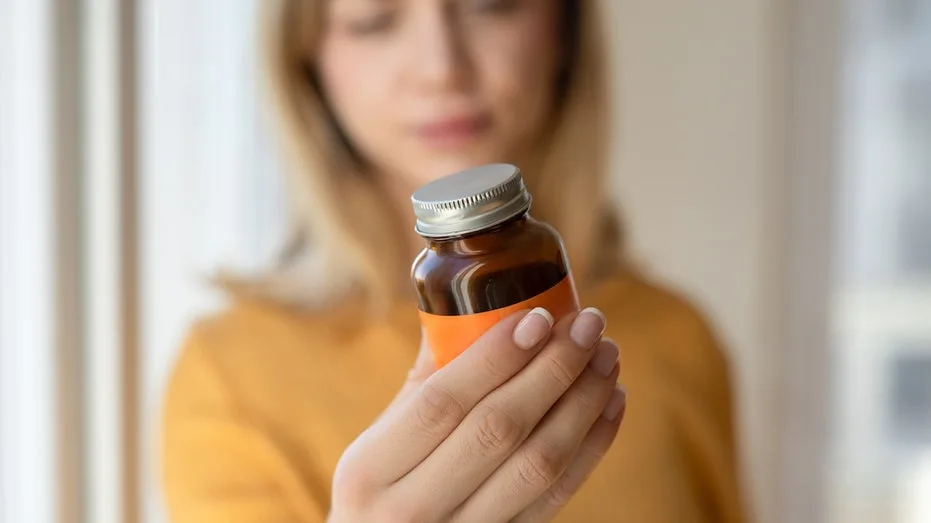
A new study reveals a significant shift in Americans' daily health habits, indicating a move away from traditional multivitamins toward more specialized dietary supplements. Research published in JAMA Network Open, conducted by experts from Memorial Sloan Kettering Cancer Center in New York and the Harvard T.H. Chan School of Public Health in Boston, analyzed 25 years of U.S. dietary supplement consumption data.
The comprehensive study examined data from 1999 to 2023, encompassing over 63,000 adults aged 20 and older who reported their supplement usage. The findings highlight a clear trend: while overall supplement intake has increased, the use of multivitamins has declined.
Evolving Supplement Landscape in the U.S.
The analysis showed that overall supplement use among U.S. adults rose from 51% to 60% over the 25-year period. The most substantial increase was observed in adults aged 65 and older, where usage climbed from 62% to 78%.
Demographically, supplement use was more prevalent among women, individuals with higher income or education levels, and those with health insurance. Conversely, multivitamin use saw a decrease, falling from 35% to 31%. This decline occurred alongside a rise in the consumption of individual vitamins and minerals, separate from multivitamin compounds.
The Rise of Targeted Nutrients and Emerging Compounds
The study identified considerable increases in the intake of specific nutrients such as vitamin D, zinc, magnesium, vitamin B12, and turmeric. Additionally, several emerging supplements gained popularity, including ashwagandha, elderberry, collagen, hyaluronic acid, probiotics, and prebiotics.
The period following the COVID-19 pandemic particularly saw an uptick in products aimed at immune support, notably zinc and vitamin D taken outside of multivitamin formulations. This growing trend in supplement use aligns with the broader longevity movement, where individuals increasingly seek products tailored to address specific health objectives like immune function, inflammation, gut health, skin vitality, and joint support.
It is important to note, however, that the study primarily demonstrates a change in consumption patterns and does not establish the efficacy of these supplements for their intended uses, as highlighted by the researchers.
Expert Insights on Supplementation and Safety
Nutritionist Brigitte Zeitlin Muhlstein commented on the trends, expressing appreciation for individuals becoming more informed and intentional about their health. However, she voiced a concern about the source of guidance:
Related Stories
Kratom Industry Urges Distinction Between Natural Product and Synthetic Opioids Amid Student Death Probe
Amid an investigation into the deaths of two university students, the kratom industry is calling for clear distinctions between natural kratom products and synthetic opioids. They advocate for stronger enforcement of
Oct 1

Neurologist Introduces '10-Year Rule' for Assessing Brain Fog and Early Dementia Symptoms
Many older adults worry about memory lapses, fearing early dementia. A UCLA neurologist suggests comparing current cognitive state to ten years ago, especially for women experiencing menopausal hormone shifts. This
Sep 26

Presley Gerber's Death at Rehab Facility Prompts Questions on Overdose, Withdrawal, and Treatment Safety
Presley Gerber's death at 27 has sparked discussions about the inherent dangers of addiction recovery, including overdose potential, withdrawal complications, and safety measures within rehabilitation facilities. An
Sep 22

Optimizing Post-Workout Recovery: Six Key Strategies for Adults Over 35 to Maintain Strength
As adults age, effective post-exercise recovery becomes crucial for muscle health. A New York-based fitness coach shares six vital strategies, from prioritizing sleep and proper nutrition to understanding soreness,
Sep 21